
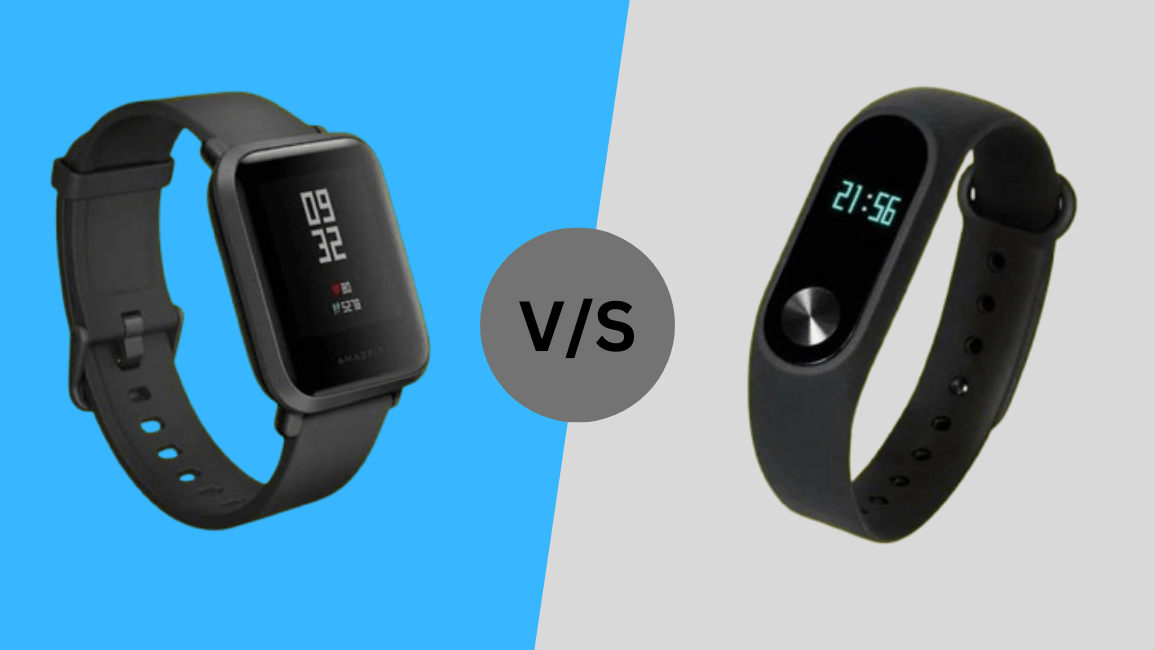
Smartwatches vs Fitness Trackers: Which is Right for You?
Introduction
In today’s tech-driven world, wearable devices have become increasingly popular for tracking our health and fitness goals. Two prominent options in this category are smartwatches and fitness trackers. While they share some similarities, they also have distinct features and cater to different needs. This article will delve into the key differences between smartwatches and fitness trackers, helping you make an informed decision.
Understanding the Basics
Both smartwatches and fitness trackers are designed to monitor your physical activity, heart rate, sleep patterns, and other health metrics. However, they differ in their primary functions and capabilities.
- Smartwatches: These devices offer a wider range of functionalities beyond fitness tracking. They often serve as extensions of your smartphone, allowing you to receive notifications, make calls, send messages, and access various apps. Smartwatches typically have larger screens and more sophisticated designs.
- Fitness Trackers: These devices are primarily focused on tracking your fitness activities and health data. They excel in monitoring steps, distance, calories burned, and sleep quality. Fitness trackers are generally smaller, more lightweight, and have a simpler interface.
Key Features to Consider
When choosing between a smartwatch and a fitness tracker, consider the following features:
- Fitness Tracking: Both devices can track steps, distance, calories burned, and sleep quality. However, fitness trackers often offer more advanced features like GPS for outdoor activities, heart rate variability (HRV) monitoring, and advanced sleep tracking.
- Smart Features: Smartwatches offer a wider range of smart features, including notifications, app compatibility, music playback, and sometimes even cellular connectivity.
- Design and Comfort: Choose a device that is comfortable to wear and suits your personal style. Smartwatches often have a more watch-like design, while fitness trackers tend to be more minimalist.
- Battery Life: Consider how long the battery lasts between charges. Fitness trackers typically have longer battery life than smartwatches due to their simpler functionalities.
- Price: Smartwatches generally cost more than fitness trackers due to their additional features and capabilities.
Choosing the Right Device
The best device for you depends on your specific needs and preferences. If you’re primarily interested in tracking your fitness activities and health metrics, a fitness tracker may be sufficient. However, if you want a device that can do more than just track your health, a smartwatch might be a better choice.
Here are some factors to consider:
- Your lifestyle: If you’re an active person who enjoys outdoor activities, a fitness tracker with GPS and advanced features might be ideal. If you’re more interested in staying connected and using your device for everyday tasks, a smartwatch could be a better fit.
- Your budget: Determine how much you’re willing to spend on a wearable device. Smartwatches typically cost more than fitness trackers.
- Your preferences: Consider your personal preferences for design, features, and functionality.
Popular Smartwatches and Fitness Trackers
- Apple Watch: One of the most popular smartwatches, offering a wide range of features and a sleek design.
- Samsung Galaxy Watch: Another popular smartwatch with a variety of features and a customizable interface.
- Fitbit Sense: A high-end fitness tracker with advanced features like ECG monitoring and stress tracking.
- Garmin Forerunner: A popular series of GPS running watches with advanced features for athletes.
Beyond the Basics: Advanced Features
Both smartwatches and fitness trackers are constantly evolving, offering new and innovative features. Some advanced features to consider include:
- ECG Monitoring: Some devices can measure your heart’s electrical activity, which can be helpful for detecting heart irregularities.
- Stress Tracking: Some devices can track your stress levels based on your heart rate and other factors.
- Blood Oxygen Monitoring: This feature is becoming increasingly common and can help monitor your overall health.
- Mobile Payments: Many smartwatches and fitness trackers now offer mobile payment capabilities, allowing you to make purchases with a simple tap.
Conclusion
Whether you’re a fitness enthusiast or simply looking to stay connected, smartwatches and fitness trackers offer a variety of features to suit your needs. By carefully considering your lifestyle, budget, and preferences, you can choose the best device to help you achieve your health and fitness goals.