
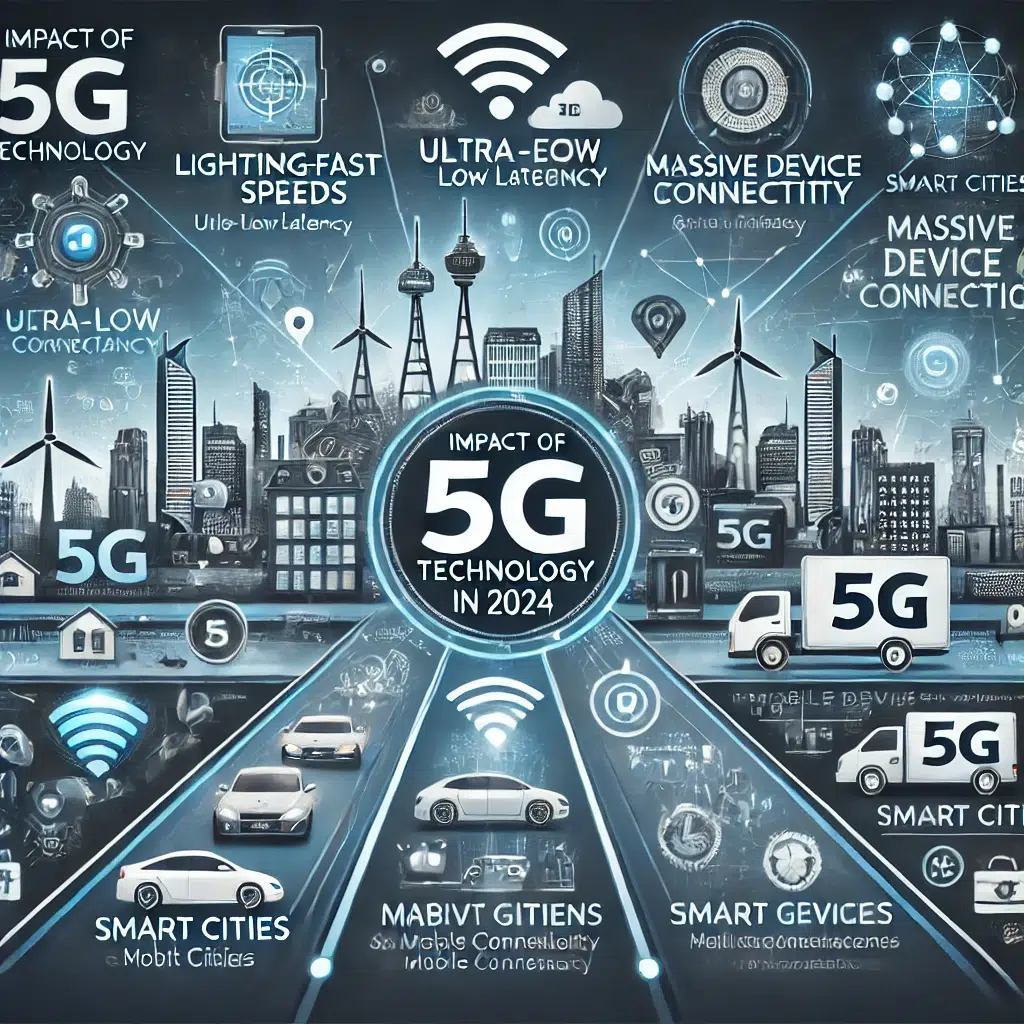
How 5G Technology is Changing Mobile in 2024
Introduction to 5G Technology
In 2024, 5G technology is not just a buzzword; it’s a revolutionary advancement that is reshaping mobile technology. As the fifth generation of mobile networks, 5G technology offers unparalleled speed, lower latency, and increased capacity, enabling users to experience mobile technology like never before. From everyday consumers to businesses and industries, 5G technology is poised to make a significant impact on how we connect, communicate, and conduct business.
The Evolution of Mobile Technology
To understand how 5G technology is changing mobile technology, we must first look at the evolution of mobile networks.
- 1G: The first generation of mobile technology emerged in the 1980s, primarily focusing on voice communication.
- 2G: With the introduction of digital signals in the 1990s, 2G networks enabled SMS and basic data services.
- 3G: Launched in the early 2000s, 3G networks offered significantly faster data transfer, paving the way for mobile internet browsing and multimedia streaming.
- 4G: The fourth generation revolutionized mobile communication by providing high-speed internet access and the foundation for streaming services and mobile applications.
Now, in 2024, 5G technology takes mobile technology to new heights, fundamentally altering how we engage with our devices.
Key Features of 5G Technology
1. Lightning-Fast Speeds
One of the most significant advantages of 5G technology is its remarkable speed. With theoretical download speeds reaching up to 20 Gbps, 5G is dramatically faster than its predecessor, 4G. This speed allows for seamless streaming of high-definition content, rapid downloads, and real-time online gaming, enhancing the overall user experience of mobile technology.
2. Ultra-Low Latency
Latency, the time it takes for data to travel from one point to another, is crucial for many applications. With 5G technology, latency can drop to as low as 1 millisecond, compared to 20-30 milliseconds in 4G networks. This low latency is particularly beneficial for applications requiring real-time feedback, such as online gaming, virtual reality (VR), and augmented reality (AR) within mobile technology.
3. Massive Device Connectivity
5G technology is designed to support a massive number of connected devices simultaneously. While 4G networks can handle around 2,000 devices per square kilometer, 5G technology can accommodate up to 1 million devices in the same area. This capability is essential for the growth of the Internet of Things (IoT), where everything from smart homes to industrial applications relies on interconnected devices in mobile technology.
4. Enhanced Network Reliability
5G networks offer enhanced reliability and stability, ensuring a consistent connection even in densely populated areas. This reliability is crucial for mission-critical applications, such as remote surgery in healthcare or autonomous vehicles in transportation, showcasing the transformative power of 5G technology in mobile technology.
Impact of 5G on Mobile Technology in 2024
As 5G technology continues to roll out across the globe, its impact on mobile technology in 2024 is becoming increasingly evident. Here are some of the key areas where 5G is making a difference:
1. Transforming Communication
5G technology is revolutionizing communication by enabling richer and more interactive experiences. With faster speeds and lower latency, video calls become clearer and more responsive, enhancing personal and professional interactions. Additionally, the integration of AR and VR technologies allows for immersive communication experiences, changing the way we connect with one another through mobile technology.
2. Advancing Mobile Gaming
The gaming industry is one of the primary beneficiaries of 5G technology. With ultra-low latency and high-speed connectivity, mobile gaming is evolving into a more immersive and enjoyable experience. Gamers can engage in real-time multiplayer games without lag, stream high-quality graphics, and even participate in VR gaming environments, all thanks to 5G technology.
3. Enabling Smart Cities
5G technology plays a crucial role in the development of smart cities. By connecting various devices and infrastructure, cities can become more efficient and responsive. For example, traffic management systems can monitor and control traffic flow in real-time, reducing congestion and enhancing public transportation. Moreover, smart energy grids can optimize energy consumption, contributing to sustainability efforts in mobile technology.
4. Enhancing Remote Work and Learning
The shift towards remote work and online learning has accelerated due to the COVID-19 pandemic, and 5G technology is supporting this trend. With faster internet speeds and improved connectivity, remote workers can collaborate seamlessly, access cloud-based applications, and participate in high-definition video conferences without interruption. Similarly, students can engage in interactive learning experiences and access online resources more efficiently with 5G technology.
5. Boosting Healthcare Innovations
5G technology is set to revolutionize the healthcare industry by enabling innovative applications such as telemedicine, remote patient monitoring, and robotic surgeries. Healthcare professionals can access patient data in real-time, conduct virtual consultations, and even perform surgeries remotely with the help of robotic systems, all thanks to the low latency and high reliability of 5G networks.
6. Empowering the Internet of Things (IoT)
The growth of IoT devices is closely tied to the advancements in mobile technology, and 5G technology is the key enabler. With its massive device connectivity capabilities, 5G supports a wide range of IoT applications, from smart home devices to industrial automation. This connectivity allows for better data collection, analysis, and automation, driving efficiency and innovation across various sectors.
Challenges in 5G Adoption
Despite its numerous benefits, the widespread adoption of 5G technology is not without challenges. Some of the key hurdles include:
1. Infrastructure Development
Building the infrastructure necessary to support 5G networks requires significant investment and time. Telecommunications companies must install thousands of new cell towers and base stations to provide coverage, particularly in rural and underserved areas.
2. Device Compatibility
Not all existing devices are compatible with 5G technology. As a result, consumers may need to upgrade their smartphones and devices to take full advantage of 5G capabilities. This transition could lead to increased costs for consumers and manufacturers alike.
3. Regulatory Issues
The rollout of 5G technology is subject to regulatory oversight, which can vary by region. Governments must establish policies and regulations that facilitate the deployment of 5G networks while ensuring that public safety and privacy concerns are addressed.
Best Budget Laptops Under $500
4. Security Concerns
With increased connectivity comes heightened security risks. 5G networks may be more vulnerable to cyberattacks, requiring robust security measures to protect sensitive data and maintain user privacy. Ensuring the security of 5G technology is essential for building trust among consumers and businesses.
The Future of Mobile Technology with 5G
As we look ahead to the future of mobile technology, the potential of 5G technology is boundless. Here are some trends to watch for in 2024 and beyond:
1. Enhanced User Experiences
With the widespread adoption of 5G, users can expect enhanced experiences across various applications. From faster streaming and improved gaming to immersive AR and VR experiences, 5G technology will redefine how we interact with mobile technology.
2. Growth of Smart Devices
The number of smart devices in homes and workplaces will continue to grow as 5G technology enables seamless connectivity. This growth will drive innovation in smart home devices, wearables, and industrial IoT applications.
3. Advancements in Autonomous Vehicles
5G technology will play a crucial role in the development of autonomous vehicles. With real-time data processing and communication between vehicles and infrastructure, 5G can enhance the safety and efficiency of self-driving cars.
4. Expansion of Telemedicine
As healthcare continues to evolve, telemedicine will become more prevalent, thanks to 5G technology. Remote consultations, virtual health monitoring, and even AI-assisted diagnostics will transform patient care and accessibility.
5. Innovations in Entertainment
The entertainment industry will also see significant changes with the advent of 5G technology. Streaming services will offer higher quality content, and new interactive experiences, such as live VR concerts and immersive gaming, will become commonplace.
Conclusion
In conclusion, 5G technology is fundamentally changing mobile technology in 2024, ushering in a new era of connectivity, speed, and innovation. Its impact spans various sectors, from communication and gaming to healthcare and smart cities. While challenges remain in infrastructure development and security, the potential benefits of 5G technology far outweigh the hurdles. As we embrace this transformative technology, the possibilities for enhancing our daily lives and driving economic growth are limitless.
As we move forward, it is essential for individuals, businesses, and governments to harness the potential of 5G technology to create a more connected, efficient, and innovative future.
Really 5g technology changing human day by day