
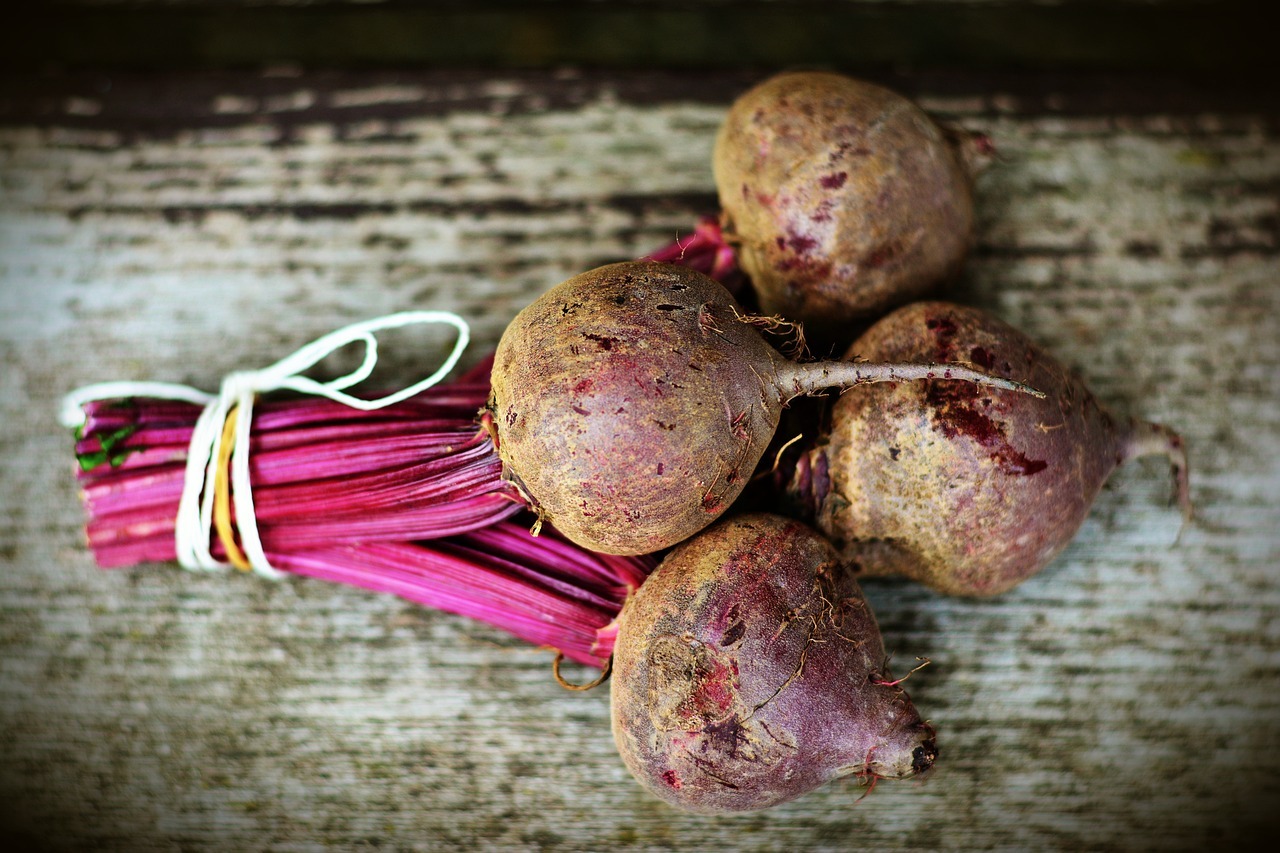
10 Benefits of Eating Beetroot: A Superfood for Your Health
Beetroot, often referred to simply as beets, has long been celebrated for its vibrant color and earthy flavor. But beyond its appearance and taste, beetroot is a nutritional powerhouse loaded with essential vitamins, minerals, and plant compounds. From improving athletic performance to lowering blood pressure, beetroot offers a wide range of health benefits. In this article, we’ll dive deep into the top 10 benefits of eating beetroot and why you should consider adding it to your diet.
1. Rich in Essential Nutrients and Low in Calories
One of the most appealing benefits of beetroot is its impressive nutritional profile. Despite being low in calories, beets are packed with essential nutrients that promote overall health. A 100-gram serving of raw beetroot contains:
- Calories: 43 kcal
- Carbohydrates: 9.6 grams
- Fiber: 2.8 grams
- Protein: 1.6 grams
- Vitamin C: 6% of the Daily Value (DV)
- Folate: 20% of the DV
- Potassium: 9% of the DV
- Magnesium: 6% of the DV
Beetroot is also a rich source of antioxidants, particularly betacyanin, which gives it its deep red color. The combination of low-calorie content and high nutrient density makes beetroot an ideal food for maintaining a balanced diet.
Nutrient Highlights:
- Folate: Crucial for DNA synthesis and repair, important during pregnancy.
- Potassium: Supports heart health by regulating blood pressure.
- Vitamin C: Boosts the immune system and promotes healthy skin.
2. Lowers Blood Pressure
One of the most well-known benefits of eating beetroot is its ability to lower blood pressure. Beets are rich in nitrates, which are converted into nitric oxide in the body. Nitric oxide helps relax and dilate blood vessels, improving blood flow and reducing blood pressure levels. Studies have shown that drinking beetroot juice can lead to significant reductions in systolic and diastolic blood pressure.
In a study published in the journal Hypertension, participants who consumed beetroot juice experienced a decrease in blood pressure within just a few hours. Regular consumption of beets or beet juice can have long-term positive effects on cardiovascular health.
Key Benefits:
- Improved blood circulation
- Reduced risk of heart disease and stroke
- Natural way to control hypertension
3. Boosts Athletic Performance
Athletes often turn to beetroot for its performance-enhancing properties. The nitrates in beetroot can improve oxygen use and increase stamina during physical activity. By improving blood flow and oxygen delivery to muscles, beetroot helps enhance endurance and exercise efficiency.
Research published in the journal Applied Physiology, Nutrition, and Metabolism found that athletes who consumed beetroot juice before workouts showed improved time-to-exhaustion and overall performance.
Performance Benefits:
- Increased stamina
- Improved oxygen utilization
- Enhanced endurance during exercise
Whether you’re an athlete or someone who enjoys regular physical activity, adding beetroot to your diet can help you push harder and recover faster.
4. Supports Digestive Health
Beetroot is a great source of dietary fiber, which plays a crucial role in maintaining a healthy digestive system. Fiber helps regulate bowel movements, preventing issues like constipation and promoting a healthy gut. Regular consumption of fiber-rich foods like beetroot can also reduce the risk of developing digestive disorders such as diverticulitis and irritable bowel syndrome (IBS).
Beetroot’s fiber content not only helps in digestion but also feeds beneficial gut bacteria, promoting a healthy balance of the gut microbiome. This, in turn, can improve overall health and support the immune system.
Digestive Benefits:
- Promotes regular bowel movements
- Supports gut health
- Prevents constipation and digestive disorders
5. Anti-Inflammatory Properties
Inflammation is the body’s natural response to injury or illness, but chronic inflammation can lead to various health problems, including heart disease, diabetes, and cancer. Beetroot contains betalains, powerful antioxidants that have been shown to have anti-inflammatory properties.
Betalains help reduce oxidative stress and inflammation, protecting cells from damage. By incorporating beetroot into your diet, you may reduce your risk of chronic diseases linked to inflammation.
Anti-Inflammatory Benefits:
- Reduced risk of chronic diseases
- Decreased inflammation in the body
- Improved recovery from injuries
6. Enhances Brain Function
As we age, cognitive function naturally declines. However, research suggests that consuming nitrate-rich foods like beetroot can improve cognitive function and potentially slow down age-related cognitive decline. Nitrates in beets increase blood flow to the brain, particularly in areas associated with executive functioning and decision-making.
A study published in The Journals of Gerontology showed that older adults who consumed beet juice experienced better brain connectivity and improved cognitive function.
Brain Health Benefits:
- Improved cognitive performance
- Enhanced memory and focus
- Reduced risk of dementia and Alzheimer’s disease
7. Supports Detoxification
Beetroot has been used as a detoxifying food for centuries. The betalains in beetroot support the liver’s detoxification process by promoting the elimination of toxins from the body. Betalains help the liver break down and remove harmful substances, supporting overall liver function.
In addition to promoting liver health, beetroot’s high fiber content helps flush toxins from the digestive system, supporting the body’s natural detoxification pathways.
Detoxification Benefits:
- Supports liver health
- Aids in the removal of toxins
- Improves overall detoxification pathways
8. Promotes Healthy Skin
Beetroot’s antioxidants and vitamins make it an excellent food for promoting healthy skin. The vitamin C in beetroot helps in collagen production, which is crucial for maintaining skin elasticity and firmness. Regular consumption of beetroot can also help fight free radicals that contribute to premature aging.
Additionally, the anti-inflammatory properties of beetroot can reduce skin redness and irritation, making it beneficial for people with conditions like acne or rosacea.
Skin Health Benefits:
- Promotes youthful, glowing skin
- Reduces signs of aging
- Helps in collagen production
9. Supports Weight Loss
Beetroot is a low-calorie food that is rich in nutrients and fiber, making it an excellent addition to a weight-loss diet. The fiber in beetroot helps keep you full for longer, reducing the chances of overeating and promoting better portion control.
In addition to aiding in digestion and satiety, beetroot’s nutrient density means you can meet your vitamin and mineral needs without consuming excess calories.
Weight Loss Benefits:
- Low in calories, high in fiber
- Promotes satiety
- Supports healthy digestion and metabolism
10. May Help Fight Cancer
The vibrant red pigment of beetroot comes from compounds called betalains, which have been shown to possess anti-cancer properties. Several studies suggest that beetroot extract can reduce the growth of cancer cells and increase apoptosis (cell death) in certain types of cancer, such as breast and prostate cancer.
While more research is needed to confirm beetroot’s role in cancer prevention and treatment, its high antioxidant content and ability to reduce oxidative stress make it a promising addition to a cancer-fighting diet.
Cancer-Fighting Benefits:
- May inhibit cancer cell growth
- Rich in antioxidants
- Supports overall health and immune function
How to Easily Include Beetroot in Your Everyday Meals
Beetroot is incredibly versatile and can be enjoyed in many different ways:
- Raw: Add thinly sliced beetroot to salads for a crunchy, nutrient-rich addition.
- Juiced: Fresh beetroot juice is a popular way to enjoy its benefits.
- Roasted: Roasting brings out beetroot’s natural sweetness and can be served as a side dish.
- Steamed: A simple, healthy way to cook beetroot without losing too many nutrients.
- Smoothies: Blend beetroot into smoothies for a nutrient-packed drink.
- Pickled: Pickled beets are a tangy, flavorful addition to any meal.
Beetroot can be eaten cooked, raw, or juiced, making it easy to incorporate into your daily meals. Whether you’re looking to improve your athletic performance, lower your blood pressure, or simply enjoy the delicious flavor, beetroot is a powerful superfood worth adding to your diet.
Conclusion: The Power of Beetroot
Beetroot is far more than just a colorful vegetable. From boosting your heart health and improving athletic performance to enhancing brain function and supporting digestion, the 10 benefits of eating beetroot are vast and scientifically backed. Rich in essential nutrients and low in calories, beetroot can play a key role in maintaining a healthy and balanced diet.
Whether consumed as a juice, roasted, or raw in salads, beetroot offers immense health advantages that can improve your overall well-being.